
Types of Fish: A Guide to Popular Fish on Restaurant Menus
A seafood menu in Split reads a little like a dictionary: brancin, orada, zubatac, kovač. Some are grilled whole over open flame, others sliced paper-thin raw, and at our restaurant Adriatic, we invite you to select your preferred daily catch before it ever reaches the kitchen. A clear understanding of the primary fish varieties turns that selection process from guesswork into a memorable dining highlight.
Flavor profiles range from clean and subtle to rich and deeply savory, while textures vary from delicate and flaky to dense enough to slice like a steak. Once you know where a fish sits on these two spectrums, navigating the menu becomes effortless, whether you crave a tender white fillet or a steak-like catch with a satisfying bite.
Why Knowing Your Fish Helps You Order Better
Order without a clear idea, and you might expect a light, subtle bite only to encounter a robust, oil-rich fillet that overpowers your chosen wine pairing. Restaurant menus rarely detail these nuances; they simply list a local name, a price, and a cooking technique, trusting you to figure out the rest.
Two key attributes reveal almost everything you need to know: flavor intensity and flesh texture. A mild white fish is ideal for anyone seeking subtle marine sweetness balanced with fresh olive oil, a squeeze of lemon, and clean presentation. An oily fish delivers a bolder, deeply savory profile that stands up well to charcoal heat and hearty side dishes. Firmness is equally critical – dense species hold their shape perfectly over the grill, whereas delicate catches flake effortlessly.
For your first dinner along the Dalmatian coast, this foundational knowledge pays off immediately. You can approach the daily catch display with confidence, ask targeted questions, and land on a dish perfectly tailored to your palate.
Popular Types of Fish on Restaurant Menus
Mediterranean seafood menus lean on a familiar cast of fish. Most come from local waters around the Croatian coast and islands, while a handful, like salmon and cod, travel in from colder northern seas. The reference guide below highlights how these popular choices compare.
| Fish | Flavor | Texture | Typical Preparation |
|---|---|---|---|
| Sea Bass | Mild, clean | Tender, medium-firm | Grilled whole, roasted, filleted |
| Sea Bream | Sweet, gentle | Soft, flaky | Grilled whole, baked in salt |
| Dentex | Sweet, delicate | Firm, meaty | Grilled, roasted whole |
| John Dory | Fine, sweet | Firm yet silky | Pan-seared, grilled, filleted tableside |
| Tuna | Rich, full | Dense, steak-like | Seared, raw (tartare, crudo), grilled |
| Swordfish | Mild, savory | Firm, dense | Grilled steaks, skewers |
| Monkfish | Sweet, mild | Very firm, springy | Roasted, stews, medallions |
| Sardines | Strong, oily | Small, soft | Grilled, marinated, fried |
| Salmon | Rich, buttery | Medium-firm | Grilled, baked, raw |
| Cod | Mild, clean | Flaky, lean | Baked, stewed, pan-fried |
Dentex
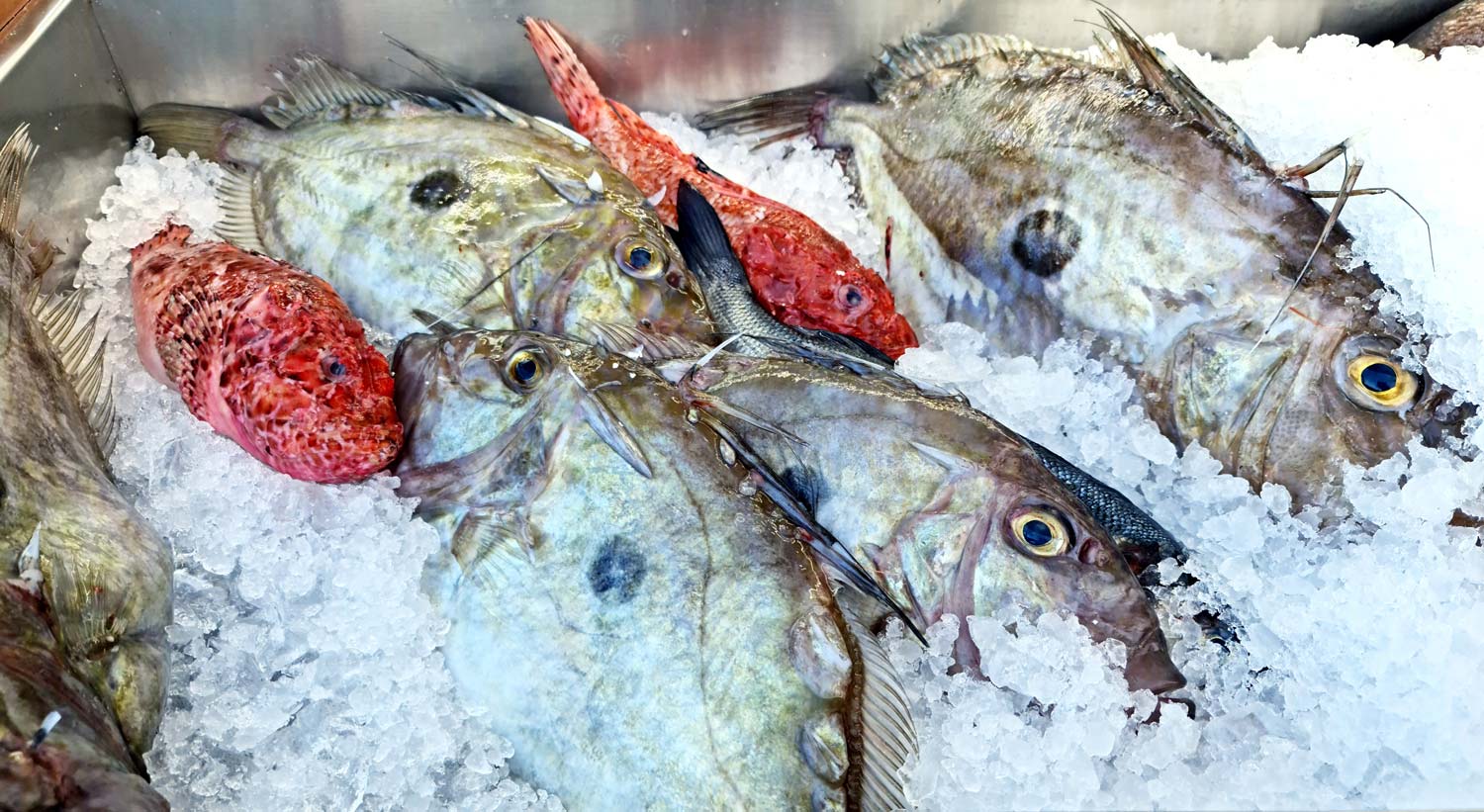
Dentex, called zubatac in Croatia, ranks among the most prized catches along the Dalmatian coast. The flesh is firm and meaty with a clean, sweet flavor that rewards simple cooking. Grilled whole or roasted, it holds its shape and carves beautifully at the table. Regularsfrequently request it by name whenever it appears on our daily catch board.
John Dory
John Dory, locally known as kovač, is a distinctively shaped wild fish offering exceptionally delicate flesh with a buttery sweetness. Firm yet silky, it pan-sears and grills without breaking up. Service teams often debone and fillet it tableside, enhancing the dining experience. It is an extraordinary choice when seeking a prized catch that remains light on the palate.
Sea Bass
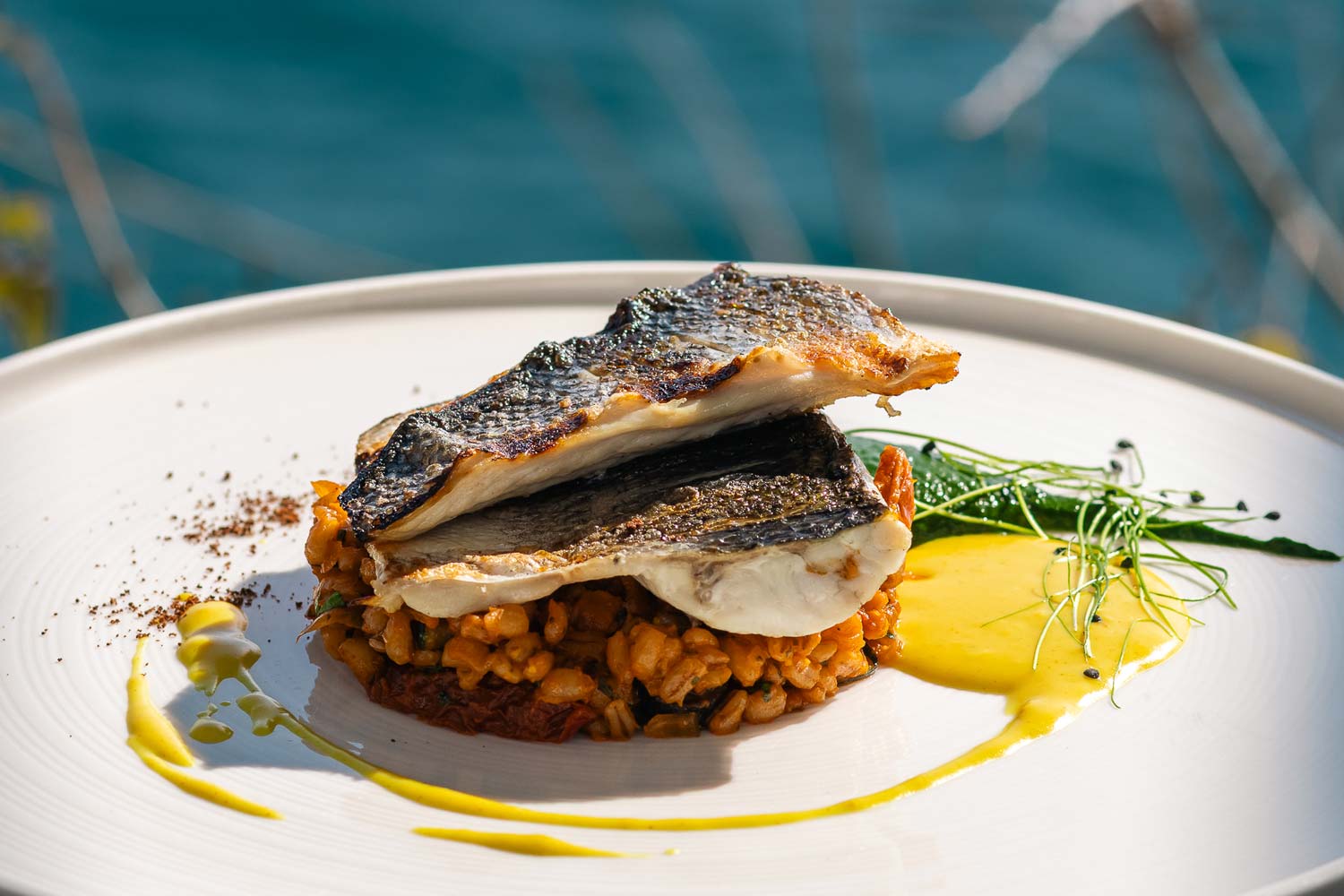
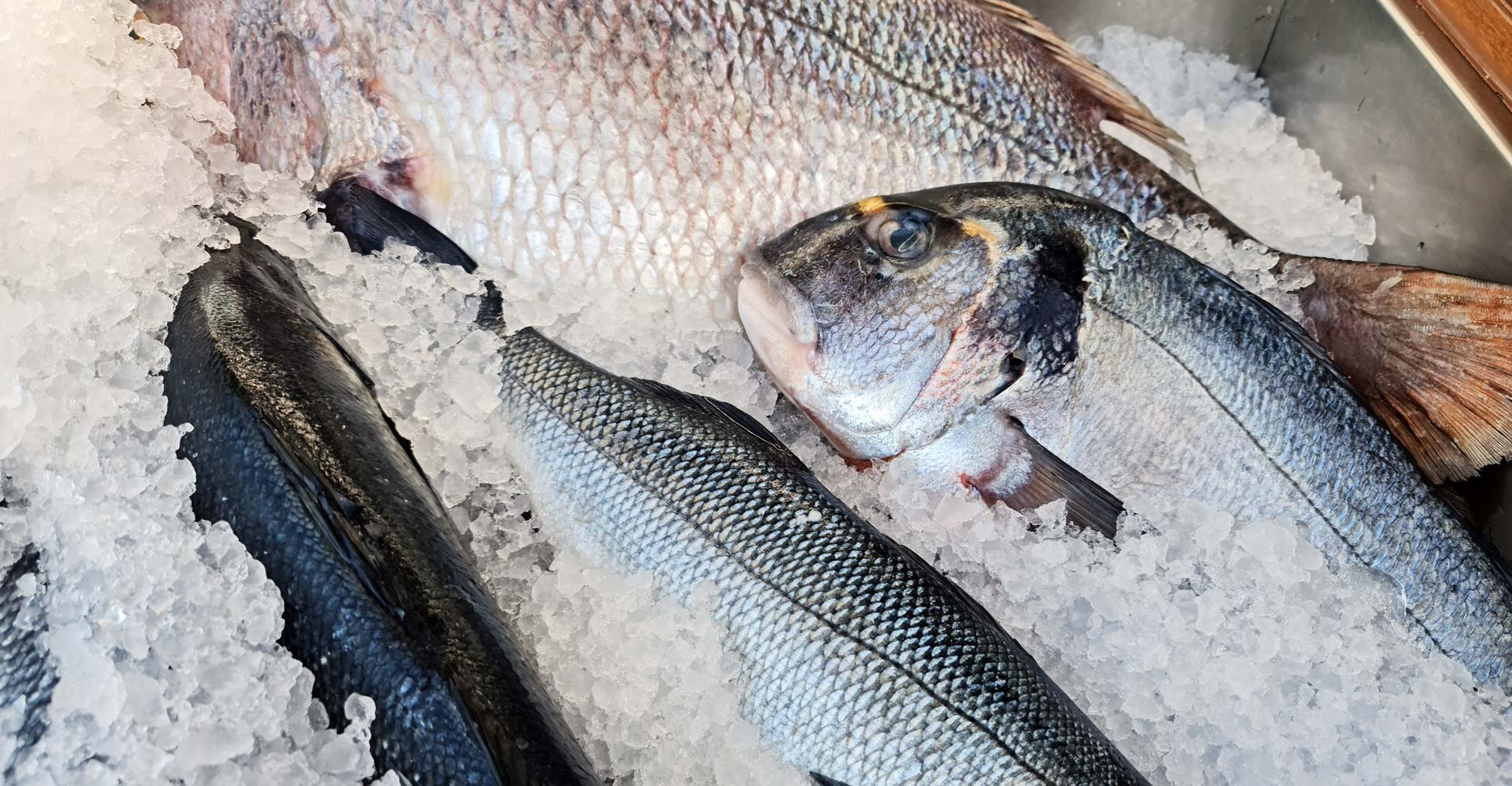
Sea bass, locally known across the Croatian coast as brancin, is a lean white fish with a clean, mild taste and tender flesh. Chefs routinely prepare it whole over open flames, crisping the skin and finishing it simply with extra virgin olive oil and lemon. When filleted, it integrates gracefully into refined seafood dishes with light, aromatic sauces. If you want a pristine marine flavor without any overpowering fishiness, sea bass is an endlessly reliable choice.
Sea Bream
Sea bream, or orada, offers a gentle sweetness and a soft, flaky bite. Whether whole-roasted or grilled, its delicate profile makes it a welcoming favorite for diners exploring Mediterranean seafood for the first time. Baked in a sea salt crust, the flesh retains maximum moisture while absorbing a gentle mineral nuance. Because it fillets effortlessly, it is a star of tableside service.
Tuna
Tuna is the bold one. Deep red flesh, rich flavor, dense and firm like a good steak. Seared rare, the center stays ruby while the edges take on color. Served raw, it excels in tartare or crudo paired with citrus and olive oil. A full tuna steak off the grill gives you the meatiest fish plate on most menus.
Swordfish
Swordfish brings firm, dense flesh with a savory taste that sits somewhere between fish and meat. It handles high-heat grilling exceptionally well, forming thick, juicy steaks that hold sear marks without drying out. Typically served as grilled steaks or skewers, it pairs wonderfully with capers, olives, and tomato. For meat lovers easing into seafood, swordfish makes an easy bridge.
Monkfish
Monkfish, grdobina in Croatian, has flesh so firm and meaty that cooks nickname it the poor man’s lobster. Its flavor profile is mild and sweet, characterized by a springy, firm texture rather than a flaky one. Whether roasted in a crust or simmered gently in rich reductions, it absorbs sauces while maintaining its hearty texture. At Restaurant Adriatic, serving it in a nut crust finished with a rich truffle sauce is one of our signature specialties.
Sardines
Sardines, srdele on the coast, are small, oily fish with a strong, savory flavor locals grew up on. Grilled over open flame with sea salt, they crisp outside and stay rich within. When marinated in citrus or vinegar and quality olive oil, they serve as a bright, tangy starter. Sustainable, cheap, traditional, and authentic, they offer a genuine taste of coastal Dalmatian heritage.
Salmon
Salmon is not native to the warm Adriatic Sea, meaning options found on Dalmatian menus are imported from cooler northern waters. Recognized for its vibrant color, medium-firm structure, and rich, buttery flavor profile, salmon offers a familiar option for international diners. Grilled, baked, or served raw, it stays reliable and familiar. Here it sits apart from the local catch rather than representing it.
Cod
Fresh cod is another northern ocean species that arrives imported rather than wild-caught locally. It features a clean, mild flavor profile with lean, white, highly flaky flesh. Gently baked or stewed, it absorbs accompanying pan juices and aromatic sauces effortlessly. While fresh cod is occasionally featured, Croatia holds a legendary cultural tradition for dried salt cod (bakalar), particularly during festive seasonal holidays.
How to Choose Fish Based on Taste and Texture
Selecting from a seafood menu ultimately comes down to two simple questions: Do you prefer a subtle flavor or a rich one? And do you want tender, flaky flesh or a dense, steak-like cut? Your preferences immediately narrow down the choices.
Best Fish for Mild Flavors
For a clean, subtle taste profile, opt for sea bass, sea bream, or cod. Each presents tender white flesh with a light sweetness that allows extra virgin olive oil, fresh lemon, and Mediterranean herbs to shine. John Dory also belongs in this category, offering a silky, refined palate experience. Select these species when you desire a delicate marine note rather than an intense fish flavor.
Best Fish for Rich, Oily Flavor
Craving something with more punch? Tuna and sardines deliver deep, savory flavor with sufficient natural oils to complement open-fire grilling and bold side dishes. Salmon fits into this category as well, offering a rich, buttery mouthfeel. These species pair exceptionally well with grilled Mediterranean vegetables, capers, or a citrus squeeze to maintain balance.
Best Fish for a Firm, Meaty Texture
Certain marine species offer a mouthfeel closer to fine cuts of meat. Monkfish leads this category with its dense, springy structure, followed closely by swordfish and its thick, steak-like cuts. Dentex and tuna round out the selection, possessing enough density to withstand high-heat grilling without flaking apart. For diners who prefer a substantial, hearty bite, these choices excel.
How Restaurant Fish Is Usually Prepared
Preparation shapes the plate as much as the fish itself. Along the Dalmatian coast, traditional cooking has always focused on preserving the natural flavour of fresh ingredients rather than masking them with heavy sauces or complicated techniques. Through wood-fired grilling that crisps the skin, slow-cooked stews rich in regional herbs, and raw crudos, we let the true flavor of fresh fish take center stage in our seafood restaurant.
Grilled and Whole-Roasted
Grilling is the heart of Dalmatian fish cooking. A fresh whole fish is brushed with local olive oil, seasoned with sea salt, and dressed with fresh herbs before hitting the grill or hot oven. This locks in moisture, crisping the skin while keeping the interior juicy. Whole sea bass, dentex, and John Dory are ideal candidates for this traditional treatment and tableside filleting.
Mediterranean Fish Stews: Gregada and Brudet
Gregada is one of the oldest Dalmatian fish stews, made with white fish, potatoes, garlic, olive oil, and white wine, gentle and clean-tasting. Brudet, sometimes spelled brodet or brodetto, is its bolder cousin, a tomato-based slow cooked stew traditionally served with soft polenta. Both turn a mix of fish into one shared, soulful dish. Fishermen invented them to make the most of the daily haul.
Raw and Cured: Tartare, Carpaccio, and Crudo
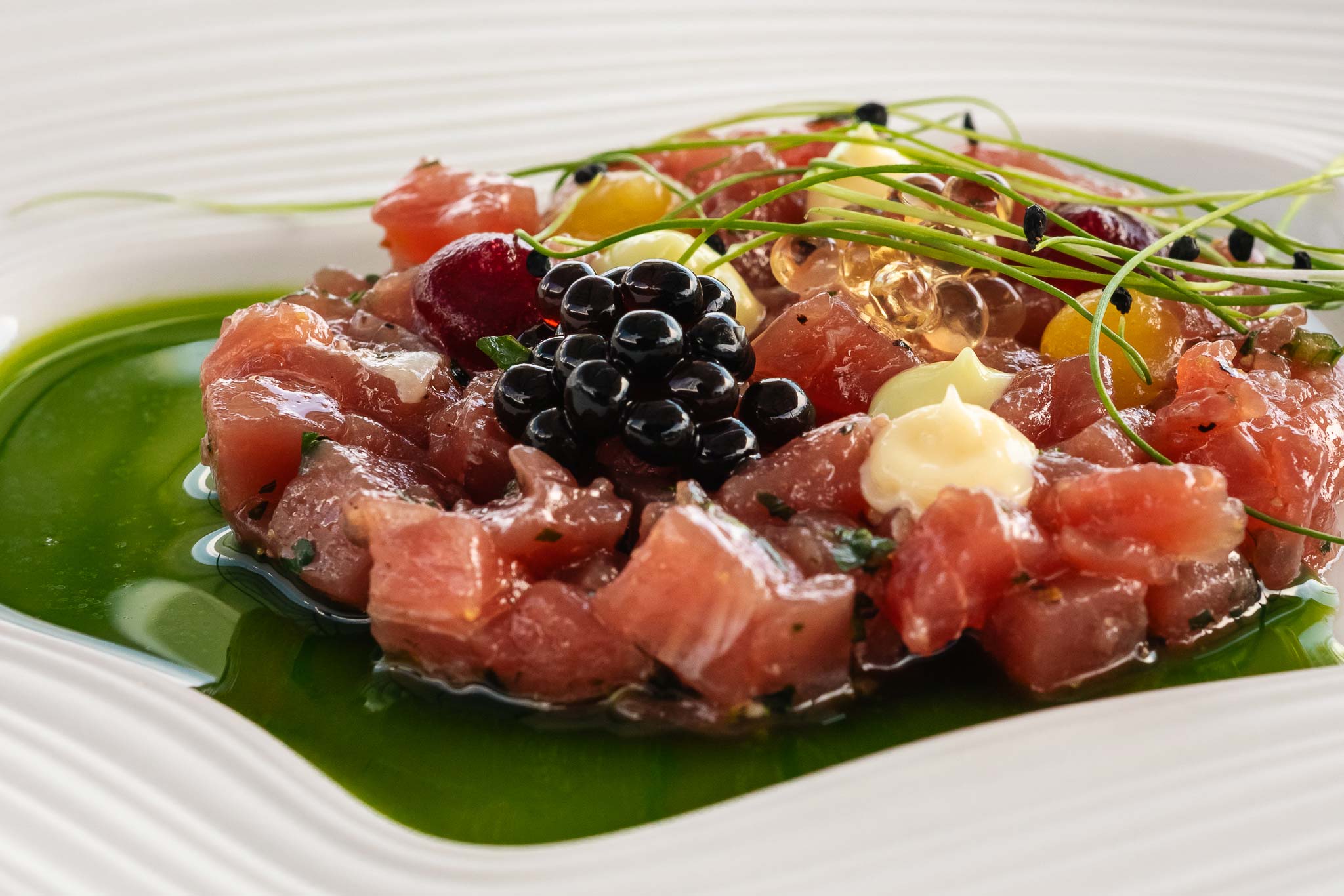
Not every fish is meant to be cooked or grilled. Tartare features finely diced raw fish, most often tuna, seasoned with citrus, olive oil, and subtle spices. Carpaccio is prepared by slicing the fish paper-thin and dressing it lightly to enhance its delicate flavor. Crudo, the Italian approach to serving raw fish, celebrates simplicity, allowing the freshness and quality of the seafood to take center stage. Tuna and sea bass are among the best choices for these preparations, as their flavor and texture speak for themselves.
Which Fresh Fish You'll Find at Adriatic
At Adriatic, our full menu reflects the best of the local catch and changes with what the sea provides each day. Fresh white fish takes center stage, with sea bass, dentex, and John Dory among the most common selections, sourced directly from experienced fishermen on the island of Vis. Signature specialties include monkfish in a nut crust, while live lobster and spiny lobster are kept in our aquarium, allowing guests to choose their preferred catch. Our focus remains on locally sourced seafood, with imported varieties offered only when they meet our quality standards.
Book a table, choose your fish, and experience the flavors of the Adriatic, prepared with respect for every ingredient and served overlooking the sea.
Frequently Asked Questions
What are the most popular types of fish to eat?
Sea bass, sea bream, tuna, salmon, and cod top most lists worldwide, while Dalmatian menus add prized local catches like dentex, John Dory, and monkfish.
What is the difference between sea bass and sea bream?
Sea bass has cleaner, slightly firmer flesh with a mild flavor, while sea bream tastes a touch sweeter and softer. Both are lean white fish, easy to enjoy.
What is the mildest fish to order?
Sea bream is the mildest, with gentle sweetness and soft flesh. Sea bass and cod come close, all easy picks for anyone who prefers subtle flavor.
Is salmon local to the Adriatic?
No. Salmon does not live in the Adriatic, so any on a menu here is imported and usually farmed. Our local catch comes fresh from around Vis.
What fish is best for grilling?
Firm fish grill best. Tuna, swordfish, monkfish, and dentex hold their shape over high heat, while whole sea bass and sea bream crisp up beautifully skin-side down.
One Response